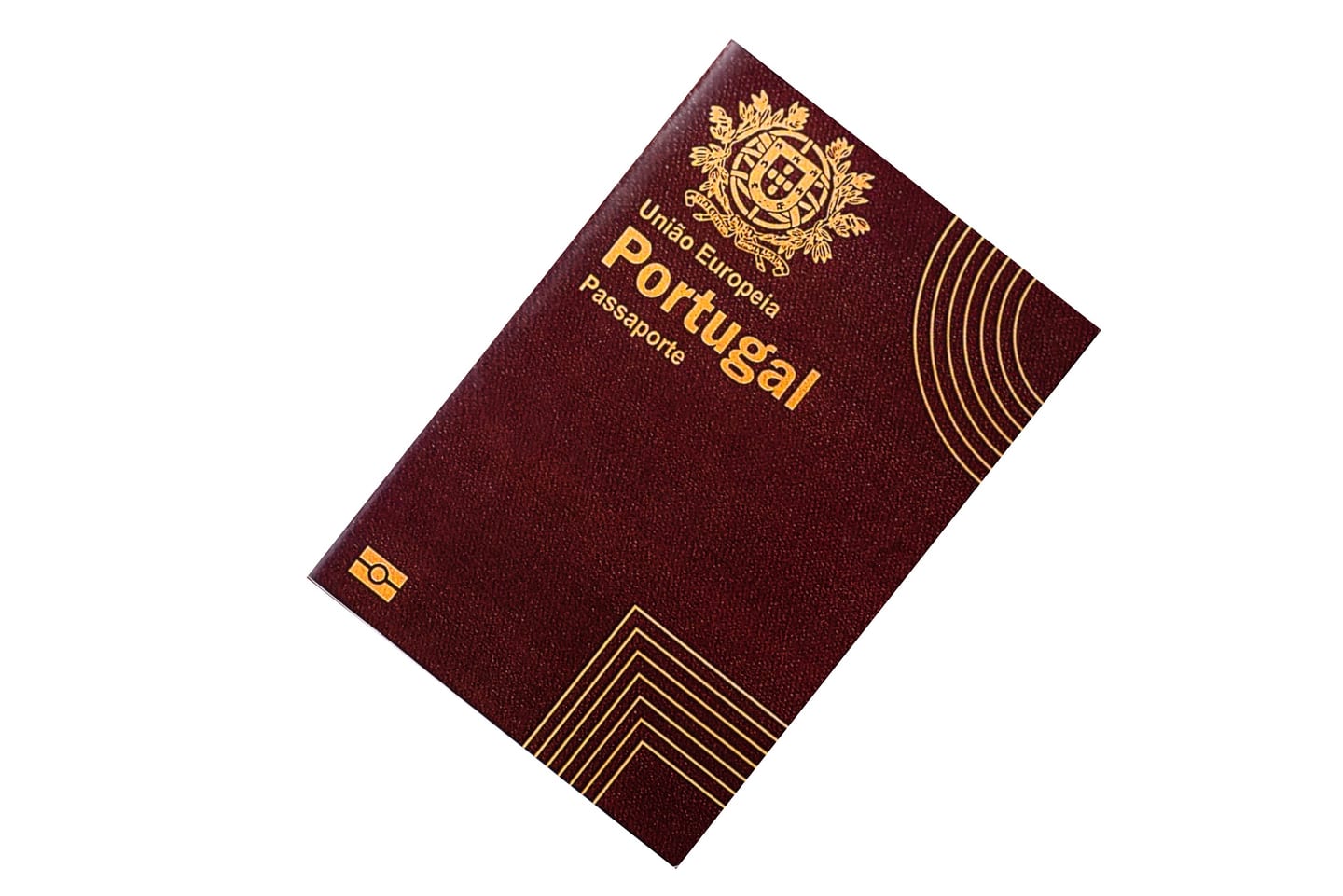
- For the visa: every national visa application needs travel insurance covering medical care and repatriation for the stay — the consulate's list, not the insurer's brochure, decides what counts
- For the permit: once you hold a residence permit you register with the SNS at the health centre of your area and receive a user number; the public system then covers you
- Two permits make health cover a condition: students (art. 91.º of the Foreigners Act: SNS cover or health insurance) and golden-visa investors (AIMA: SNS or internationally recognised insurance)
- EU pensioners and posted workers bring their S1 form; tourists and short stays use the EHIC
- User fees in the SNS are now charged only for hospital emergencies without a referral (Decreto-Lei n.º 37/2022)
Nobody in Portugal is required to buy private health insurance to live here — but almost everyone arriving needs some cover at some point, and the point differs by visa. This guide sorts the requirements by stage — application, arrival, permit, renewal — and then explains what the SNS gives you and why many residents keep a private plan anyway.
Stage 1: the visa application
The Portuguese consulate’s general document list for a national visa includes travel insurance covering necessary medical expenses, including urgent medical assistance and repatriation, for the period of the visa. It applies to the D7, D8, D2, D1, D4 study, family and CPLP visas alike. Three practical points from our files:
- Duration: the policy must cover the visa’s validity — usually four months for a residence visa — and some consulates ask for a year. A policy that ends the day you land is refused.
- Repatriation must be printed on the certificate; ordinary travel policies do not always include it.
- Bilateral agreements can replace the insurance: EU/EEA nationals’ family members with an EHIC, Brazilians under the PB4 agreement, and pensioners with an S1 are in a different position, which the consulate’s page describes.
Details by visa in the visa guides.
Stage 2: arrival, before the permit
Between landing and the AIMA appointment that issues the residence permit, you are in Portugal on the visa, and the travel insurance is what covers you. The SNS treats anyone in an emergency, but registration at a health centre requires the residence permit — so keep the insurance running until the card exists. A private Portuguese health plan can be bought at this stage too; insurers ask for the NIF and an address.
Stage 3: the residence permit and the SNS
With the residence permit and a NIF you register at the health centre (centro de saúde) of your area — “any person of foreign nationality with a residence permit in Portugal” may register, and the SNS user number (número de utente) is issued at that moment if you do not have one (gov.pt, updated 12.5.2026). From then on the public system covers you: a family doctor where one is available, nursing, referrals to specialists and public hospitals, subsidised medicines, and the SNS 24 phone line. User fees (taxas moderadoras) were removed from primary care and referred hospital care; since Decreto-Lei n.º 37/2022 they are charged only for hospital emergency visits without an SNS referral, with exemptions (ERS FAQ).
Renewals of the permit check tax and Social Security compliance, not health cover — except for the two permits below.
Where health cover is a legal condition
| Permit | Rule |
|---|---|
| Students (art. 91.º, Lei n.º 23/2007) | The permit requires that the student “be covered by the SNS or hold health insurance” — the insurance must be maintained for renewals |
| Golden visa (ARI) | AIMA lists proof of health cover — SNS or internationally recognised health insurance valid for the residence period — among the documents |
| Everyone else | No obligation once registered with the SNS; the private plan is a choice |
Why residents still buy private plans
The SNS is universal and, for serious illness, excellent; its weaknesses are waiting times and the shortage of family doctors in Lisbon, the Algarve and parts of the interior. A private plan (from the large insurers and the hospital groups) buys faster consultations, choice of doctor, dental and English-speaking hospitals; premiums rise with age and most plans stop accepting new customers around 65–70, with exclusions for pre-existing conditions. Our health insurance guide compares the plan types and what to check in the policy; for retirees, the age limits are the reason to buy before moving rather than after.
EU, UK and third-country pensioners
EU/EEA pensioners register the S1 form from their home institution with Portuguese Social Security and are then covered by the SNS at the expense of the home system; British pensioners keep that mechanism under the Withdrawal Agreement. Other pensioners (US, Canadian, Australian…) have no such form: the SNS covers them once they hold a residence permit, and private insurance fills the gap before and beside it.
Order of operations we recommend. Buy the travel policy for the visa's full validity; on arrival, if you want private cover, buy it before your 65th birthday and before any diagnosis; register with the SNS the week the residence card arrives; then decide whether to keep the private plan with a year's experience of the local health centre.
Is health insurance mandatory in Portugal?
Not for residents in general. It is required for the visa application (travel insurance with repatriation) and as a permit condition for students and golden-visa investors. Everyone with a residence permit may register with the public SNS.
Can I use the SNS with a visa but no residence permit yet?
Emergencies, yes; registration at a health centre, no — it needs the residence permit. Keep the travel insurance until the card is issued.
How much are SNS user fees?
Since 2022 they apply only to hospital emergency visits without an SNS referral; primary care and referred hospital care have no fees (ERS).
Do retirees from the UK get free healthcare?
UK State pensioners register an S1 with Portuguese Social Security and are covered by the SNS under the Withdrawal Agreement; others rely on the SNS after the residence permit and on private cover before it.
Does the insurance need to be Portuguese?
For the visa, any insurer whose certificate states medical cover and repatriation for the period; for the golden visa, AIMA accepts internationally recognised insurance; for daily use, Portuguese plans are simpler at the hospital desk.
Sources and official references
- Portal Diplomático (MNE) — residence visa: general documents, including travel insurance covering medical care and repatriation; bilateral agreements — checked 19.9.2026
- gov.pt — Inscrever-se no centro de saúde: foreign nationals with a residence permit; user number issued at registration (updated 12.5.2026) — checked 19.9.2026
- ERS — SNS user fees (taxas moderadoras) FAQ: charged only for unreferred hospital emergencies (Decreto-Lei n.º 37/2022); exemptions — checked 19.9.2026
- Lei n.º 23/2007, art. 91.º — students' residence permit: SNS cover or health insurance — checked 19.9.2026
- AIMA — residence permit for investment (ARI): proof of health cover (SNS or internationally recognised insurance) — checked 19.9.2026