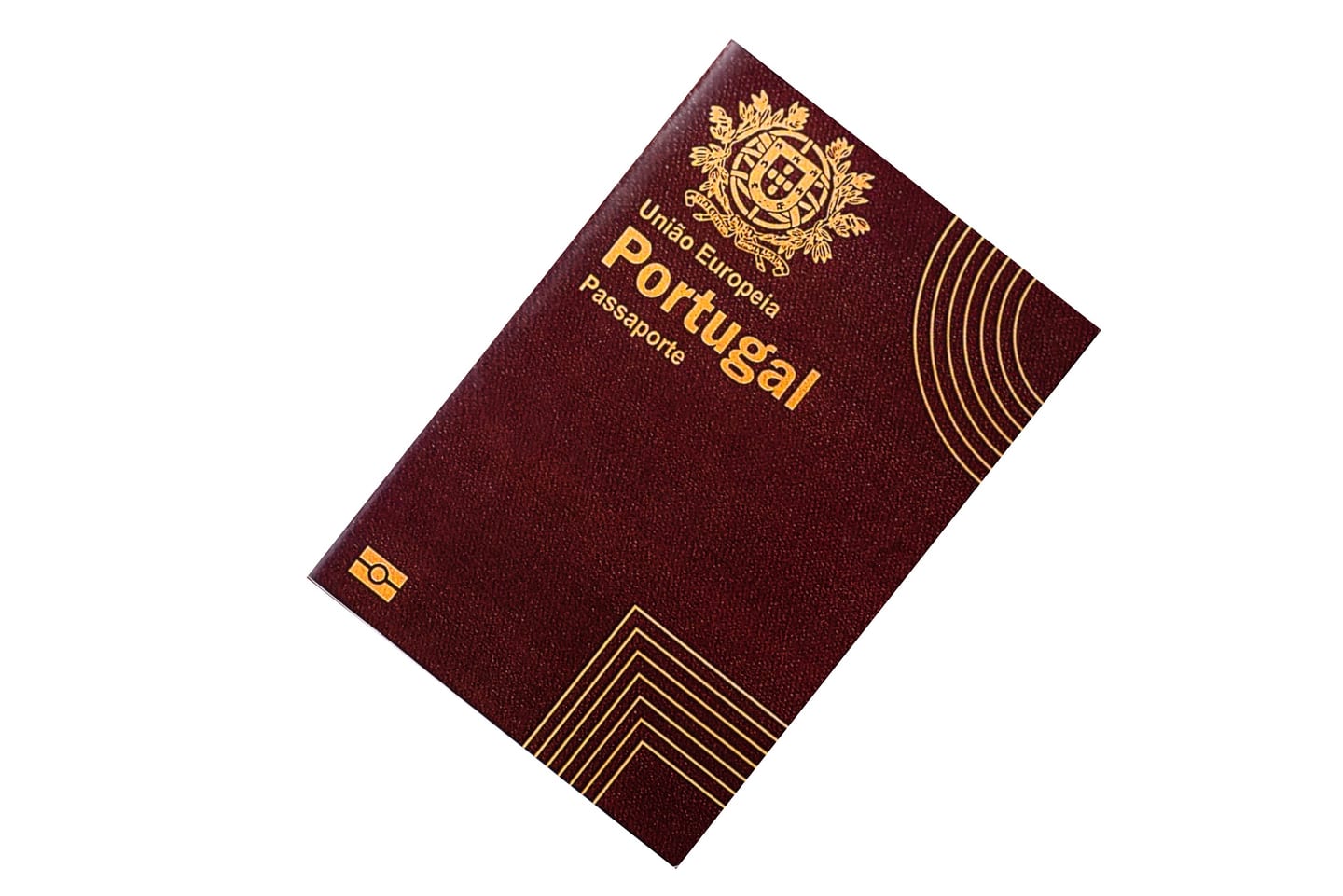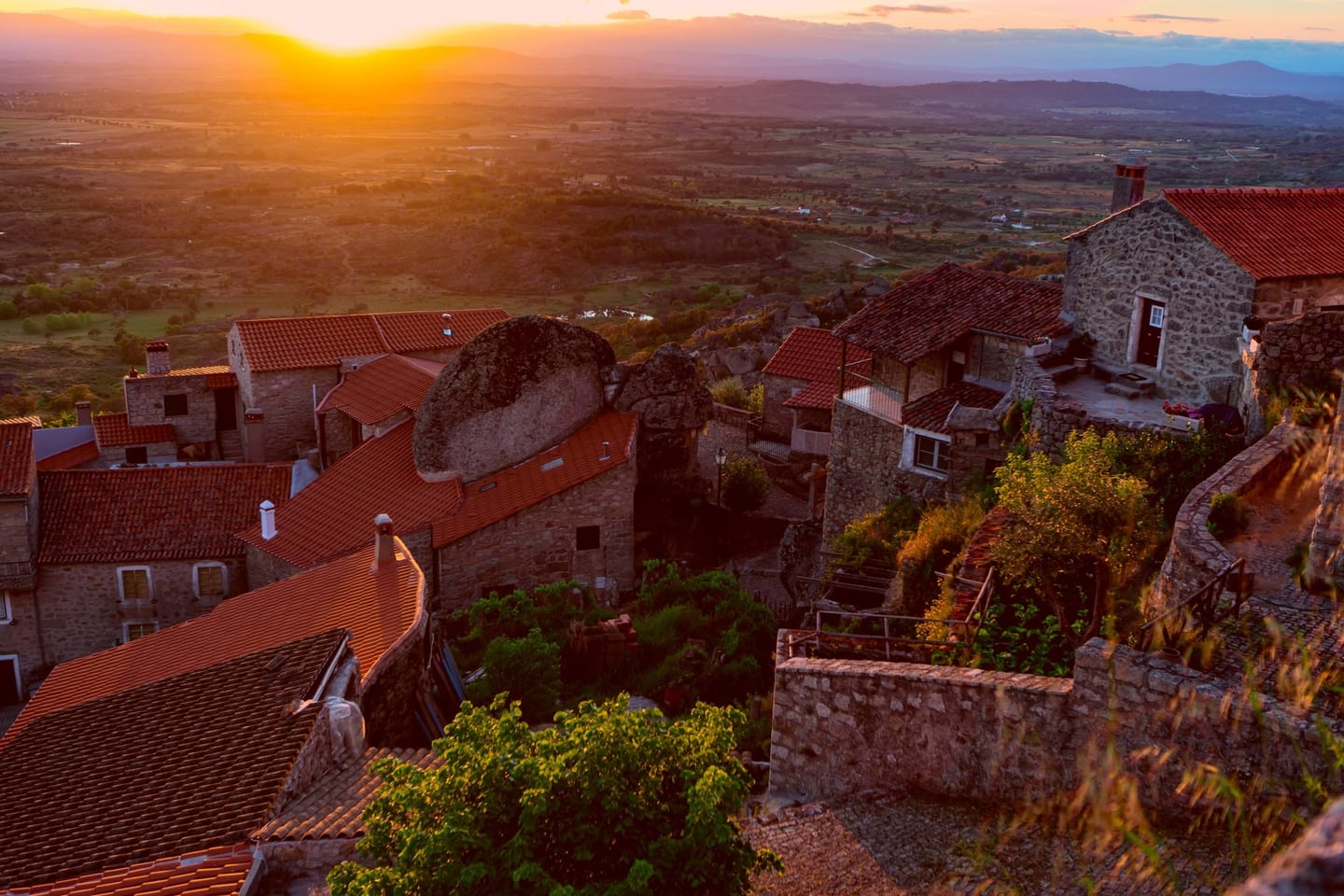
- Access: an EU, euro and Schengen country since 1986, 1999 and 1995, with residence visas — D7, D8, D2, D4, family — that ask for documents rather than luck, and nationality after 7 or 10 years
- Cost: consumer prices at 85 % of the EU average (Eurostat 2024), with restaurants at 75 % — and a housing market that is the exception in Lisbon and the Algarve
- Climate: 17,6 °C in Lisbon, 18,2 °C in Faro, 20 °C in Funchal on the thirty-year averages; no frost on the coast, dry summers everywhere
- Work and health: unemployment at 5,3 %, the lowest since 2011; a national health service open to every permit holder
- The honest caveats: salaries (1 835 € average), Lisbon rents (17,42 €/m²), bureaucracy that runs in Portuguese, and summers that reach 45 °C inland
“Best country to live in” is a claim, and claims need evidence. Here is the case for Portugal built only on figures that a public institution publishes — the EU, Eurostat, the IPMA, INE, the Diário da República — followed by the case against, from the same sources, because a relocation decided on half the facts is the kind we later help people undo.
The case for
You can actually get in. Portugal’s residence visas are defined by documents, not quotas: passive income of at least 920 € a month for the D7, remote work for the D8, a business plan for the D2, an admission letter for the D4, a family tie for reunification — 110 € at the consulate, a decision within 60 days, a permit renewed online. EU citizens register at the town hall. And the road has an end: a permanent permit after five years and nationality after seven (EU and Portuguese-speaking nationals) or ten, under Lei Orgânica n.º 1/2026 — which brings a passport of an EU, euro and Schengen State.
The price level. Eurostat’s comparison of the same basket across Europe gives Portugal 85,0 against the EU’s 100 in 2024 — restaurants and hotels 75,5, housing costs 80,1, health 86,6 — against 107,9 in France, 109,1 in Germany, 129,1 in the United Kingdom. For a pension or a salary earned elsewhere, the arithmetic is simple; for a local salary, less so (see below).
The climate. The IPMA’s thirty-year normals: Lisbon 17,6 °C annual mean with 794 mm of rain on 76 days and no frost recorded; Faro 18,2 °C with 455 mm on 49 days; Funchal 20,0 °C and never below 8,5 °C; Porto 15,3 °C with the green north’s 1 147 mm. Dry summers from Minho to Algarve. The climate guide has every station.
Work. INE’s second quarter of 2026: unemployment 5,3 %, the lowest since the series began in 2011; 5,4 million employed, the most since 2011; 21,3 % teleworking; average gross remuneration up 5,1 % in a year. The 2025 reform created a visa for qualified job-seekers precisely because employers are short of them.
Health. A national health service that registers every residence-permit holder at the local health centre, with user fees only for unreferred hospital emergencies since 2022, S1 cover for EU and UK pensioners, and private plans for speed — see health insurance requirements.
The rest. 17 UNESCO World Heritage properties, 438 Blue Flag sites in 2026, a language shared with nine countries, Schengen travel, a time zone shared with London and an airport two to three hours from most of Western Europe.
The case against
Local salaries. The average gross remuneration is 1 835 € a month (INE, Q2 2026), the base salary 1 342 €, the minimum wage 920 €. Portugal is cheap for foreign money and ordinary for Portuguese money; the price level of 85 is set against incomes well below the EU average. See average salaries.
Housing in the places everyone wants. Median sale prices of 5 292 €/m² in Lisbon, 5 000 €/m² in Cascais, 3 352 €/m² in the Algarve and 3 510 €/m² in Porto; new-lease rents of 17,42 €/m² in Lisbon (INE, Q1 2026), rising faster than wages. Outside those markets the country is affordable; inside them it is not.
Bureaucracy in Portuguese. AIMA, Finanças, Social Security and the registries work in Portuguese; renewals, tax returns and notices have deadlines; the backlog of 2020–2025 is still being cleared. The law does not ask for the language until year five, but the counters do from day one — see living without Portuguese.
Summer heat inland, damp winters in the north. Évora and Beja average 33,5 °C in August with records of 45,4 °C; Bragança has 53 frost days; Porto rains on 105 days. Stone houses without insulation are cold in January anywhere north of the Algarve.
The tax break is gone. The NHR closed to new residents on 1 January 2024; pensions are taxed under the ordinary brackets after a 4 587 € deduction, with treaty rules deciding which country taxes what — see retiring in Portugal and the country tax guides.
So: best for whom?
On the figures, Portugal is the best-placed country in Western Europe for three profiles: retirees and remote workers with foreign income, who buy the 85 price level and the coast’s climate with money earned at 108 or 129; families who want an EU passport in seven to ten years by a documented route; and people who will live outside Lisbon, Cascais and the Algarve coast, where the housing figures are still a fraction of Northern Europe’s. It is a harder case for a young professional on a local salary in Lisbon — and the honest guide says so.
What we suggest before deciding. Run the tax simulation for your actual income under your country's treaty; check the INE medians for the municipality you have in mind, not the national figure; look at the IPMA normals for that station in January and August; and read the visa page for your route. Four documents, an afternoon, and the decision is yours rather than a ranking's.
Is Portugal cheap to live in?
Fifteen percent below the EU average on the whole basket (Eurostat 2024), with restaurants a quarter cheaper — but supermarket food at the EU average, telecoms above it, and Lisbon and Algarve housing among the dearest in southern Europe.
Is it easy to get residence?
Comparatively: documented visa routes (D7, D8, D2, D4, family), a 110 € fee, a 60-day decision, online renewals, a permanent permit after five years and nationality after seven or ten.
Is the weather good all year?
On the coast, mild winters without frost and dry summers; inland, hot summers and real winters; in the north, rain on more than 100 days a year (IPMA normals).
What is the biggest drawback?
Housing costs in Lisbon, Cascais, Porto and the Algarve against local salaries, and an administration that runs in Portuguese with deadlines that bite.
Sources and official references
- European Union — Portugal country profile: EU member since 1986, euro since 1999, Schengen since 1995 — checked 19.9.2026
- Eurostat — price level indices 2024 (Portugal 85,0; categories) — checked 19.9.2026
- IPMA — Normais climatológicas 1991–2020 — checked 19.9.2026
- INE — Estatísticas do Emprego, 2nd quarter 2026: unemployment 5,3 %, 5 399,8 thousand employed, 21,3 % teleworking — checked 19.9.2026
- INE — Remuneração bruta mensal média, 2nd quarter 2026: 1 835 € total, 1 342 € base — checked 19.9.2026
- INE — Estatísticas de Preços da Habitação ao nível local, 1st quarter 2026 (Lisbon 5 292, Cascais 5 000, Algarve 3 352, Porto 3 510 €/m²) — checked 19.9.2026
- INE — Estatísticas de Rendas da Habitação ao nível local, 1st quarter 2026 (Lisbon 17,42 €/m²) — checked 19.9.2026
- Portal Diplomático (MNE) — national visas: fees 110 €, deadlines 60 days, means of subsistence 920 € — checked 19.9.2026
- Lei Orgânica n.º 1/2026 — Nationality Act, art. 6.º: naturalisation after 7 or 10 years — checked 19.9.2026
- gov.pt — Inscrever-se no centro de saúde: residence-permit holders register with the SNS — checked 19.9.2026
- UNESCO World Heritage Centre — Portugal: 17 properties — checked 19.9.2026
- ABAAE — Bandeira Azul 2026: 438 awarded sites — checked 19.9.2026